
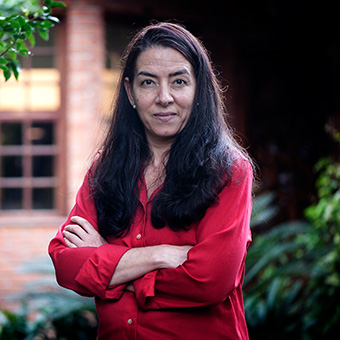
Lorena G. Barberia is Associate Professor of Political Science at the University of São Paulo (USP), where she leads interdisciplinary research at the intersection of political science, public health, and public policy. Dr. Barberia’s work examines how political processes and policy decisions shape health and social outcomes, particularly in contexts of crisis, inequality, and democratic transition. She is Co-Chair of the Lancet Commission on Global Gun Violence and Health. Her recent contributions have been published in leading journals including Science, The Lancet Regional Health – Americas, Comparative Education Review, the Journal of Politics in Latin America, and Vaccine, covering Brazil’s COVID-19 response, vaccine acceptance, political elite discourse, and governance challenges.
She has coordinated large-scale projects such as the AVISA study on COVID-19 incidence and vaccination, amd led initiatives funded by FAPESP, CNPq, the Gates Foundation, and the Wellcome Trust. At USP, she is a founding member of the IPSA–USP Summer School and a member of the Latin American Political Methodology Network. She holds a PhD from Fundação Getulio Vargas, an MPP from Harvard Kennedy School, and a BA from UC Berkeley.
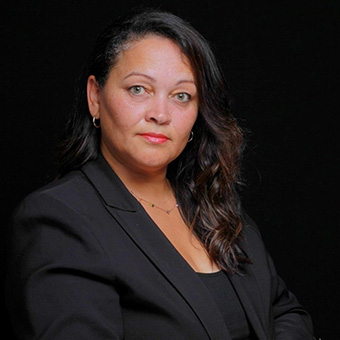
Dr Heidi Sauls is a public policy strategist and researcher specialising in crime, violence, social harm, and systems reform. Her work bridges research, policy, and implementation, translating evidence into practical strategies that strengthen institutional responses to complex societal challenges. Drawing on expertise across governance, public safety, and applied social science, she advises on evidence-informed approaches to policy design, implementation, and cross-sector collaboration. Through her work across government, academia, and international partnerships, Dr Sauls contributes to advancing knowledge and practice on social harm, institutional capability, and public policy, helping build safer, more resilient, and equitable societies.
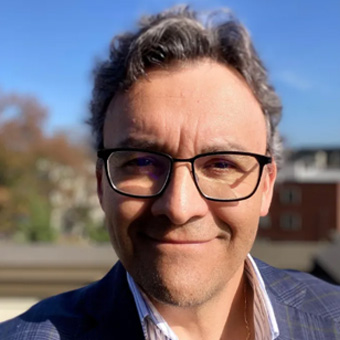
Dr Andrés Villaveces is a leading researcher in prevention of child abuse and neglect, child protection, and violence prevention at the University of Edinburgh. He is policy Epidemiologist at Childlight – Global Child Safety Institute, where he leads international research focused on measuring and preventing child sexual exploitation and abuse through data-driven policy and prevention approaches with special focus on systems strengthening and surveillance systems. Dr Villaveces is also adjunct faculty of global health at Emory University of Epidemiology at the University of North Carolina, Chapel Hill. Previously, Senior Researcher at the Division of Violence Prevention, US Centers for Disease Control and Prevention where he worked on the implementation of several Violence Against Children and Youth Surveys and development of national action plans for the prevent violence against children in several international settings.
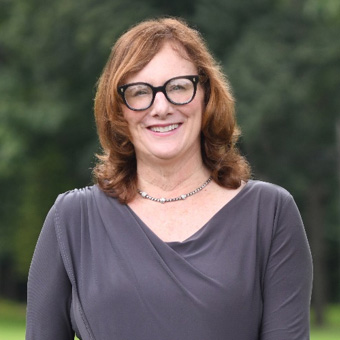
Jennifer Tucker is a Professor of History at Wesleyan University and the Director of Wesleyan’s Center for the Study of Guns and Society, established in 2022 as a hub for interdisciplinary research and teaching on firearms history and society. Tucker conducts historical research on the design, manufacturing and regulation of firearms since the 1700s, the representation of guns in film and media, the growing lethality of weapons and ammunition systems, wound ballistics, patent history, and gun violence as a global public health issue. Tucker co-edited the book, The Contested Role of History in Contemporary Debates on the Second Amendment (Smithsonian Scholarly Press, 2017). She is producer of a new short documentary film, Good Morning Buffalo, about the community and legal response after a racially motivated mass shooting in Buffalo, NY in 2022. She also engages with museum professionals on gun-history related public history projects and is a Senior Research Associate at the Science Museum in London and member of the International Council on Public History.
Professor Ntobeko Ntusi is a South African cardiologist, clinician-scientist, and global health leader with extensive experience advancing cardiovascular medicine and health systems strengthening in Africa. He is currently President and CEO of the South African Medical Research Council and Professor of Medicine at the University of Cape Town. He previously served as Chair and Head of Medicine at UCT and Groote Schuur Hospital, where he led major advances in cardiovascular imaging, research, and clinical training. He chairs the Global Alliance for Chronic Diseases Strategy Board and serves on international advisory bodies. His work focuses on equitable healthcare, noncommunicable diseases, and translational medical research globally.
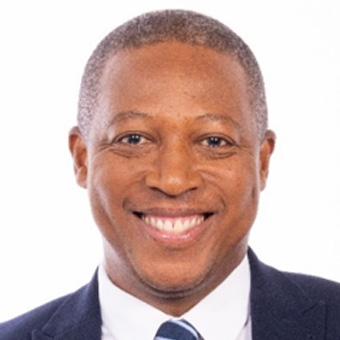
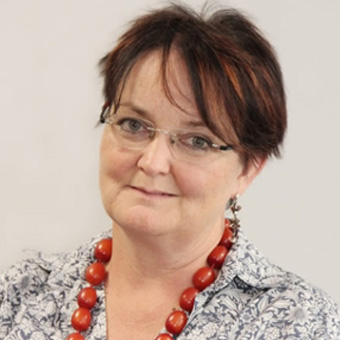
Professor Rachel Jewkes is a South African medical doctor, social epidemiologist, and global leader in gender-based violence and public health research. She is Executive Scientist at the South African Medical Research Council and Honorary Professor at the University of the Witwatersrand. She previously led the SAMRC Gender and Health Research Unit and directed the UKAID-funded What Works to Prevent Violence Global Programme. Prof Jewkes co-founded the Sexual Violence Research Initiative and has served on multiple WHO and UN advisory bodies. In 2025, she received the ASSAf Science-for-Society Gold Medal for her groundbreaking contribution to violence prevention research.
Dr Lina Digolo is a paediatrician and epidemiologist with over 17 years of experience working across the Global South to prevent violence against women and children and strengthen health and protection systems. She works at the intersection of research, policy, and practice to design, implement, and scale context-driven, sustainable solutions that improve outcomes for children, families, and communities. Dr Digolo is widely recognised for translating evidence into action, supporting governments, civil society organisations, and donors to strengthen programmes, systems, and investment strategies. She is Founder and Executive Director of Evidence & BEYOND, providing technical leadership and strategic advisory support globally. She has led and contributed to more than 15 major studies and continues to advance evidence-informed decision-making and capacity strengthening across sectors.
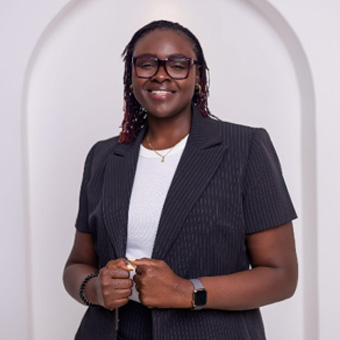
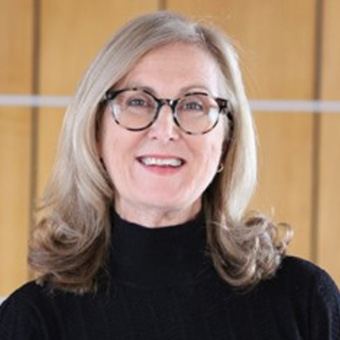
Associate Professor Justine Leavy is an Australian public health researcher and health promotion specialist at Curtin University’s School of Population Health, where she is as Discipline Lead for Health Promotion and Sexology and Research Fellow with the Collaboration for Evidence, Research and Impact in Public Health (CERIPH). Her work focuses on injury prevention, physical activity promotion, drowning prevention, translational research, and the design and evaluation of health communication campaigns. Assoc/Prof Leavy is a Fellow of the Australian Health Promotion Association and co-founder of the Western Australian Drowning Evaluation and Research Network. She contributes extensively to national and international public health policy, knowledge translation, and prevention initiatives.
Dr Amy Peden is an Australian public health researcher specialising in injury prevention and drowning prevention epidemiology. She is Senior Lecturer at the UNSW School of Population Health and an NHMRC Emerging Leadership Research Fellow. Her work focuses on adolescent injury, water safety, alcohol-related harm, and the social determinants of health, with particular attention to regional and underserved communities. Dr Peden is co-founder of the UNSW Beach Safety Research Group and holds adjunct appointments with several leading public health and water safety organisations. She has received multiple national and international awards for her contributions to injury prevention research, public health advocacy, and evidence-based drowning prevention initiatives.
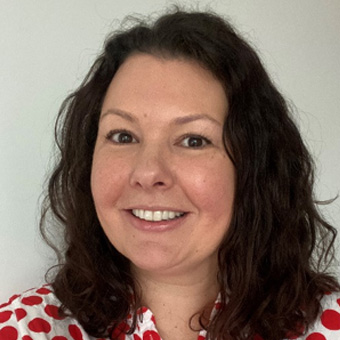
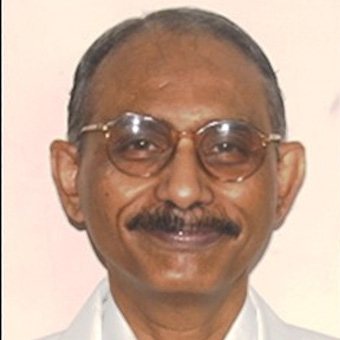
A Distinguished Alumnus of Maulana Azad Medical College, Delhi University, Dr Mathew Varghese is currently Head of department of Orthopaedic Surgery, St Stephen’s Hospital, Delhi. He is also Adjunct Faculty at the Transportation Research and Injury Prevention Centre at IIT, Delhi, a WHO Collaborating Centre. He is chair of the largest clubfoot programme NGO (CIIT) in the world. He is also chair of AADI (formerly spastic Society of North India) He is also a founding member and currently Director of ICoRSI (Independent Council of Road Safety International). He has contributed to chapters/ articles in several books and peer reviewed journals and is a recipient of several awards and orations. Known for his contribution in rehabilitation of Polio victims, he was member Of TECS (Trauma and Emergency care Services) committee WHO Geneva and Regional Technical Advisor for Disability and also Regional Technical Advisor for Road safety at the SEARO office of WHO. Recently he was awarded The One International Humanitarian award, 2024 in Hong Kong.
Dr. Olakunle Alonge is a physician, implementation scientist, and global health leader with more than 20 years of experience advancing health systems strengthening and population health across low- and middle-income countries. He works at the intersection of research, policy, and practice to design, evaluate, and scale evidence-based interventions that improve health outcomes and address health inequities. Dr. Alonge is widely recognised for translating implementation science into action, supporting governments, academic institutions, multilateral organisations, and development partners to strengthen health programmes, systems, and policies. He is Professor and Director of the Sparkman Center for Global Health at the University of Alabama at Birmingham. He has led numerous global health research and implementation initiatives, authored more than 100 peer-reviewed publications, and continues to advance evidence-informed decision-making and capacity strengthening worldwide.
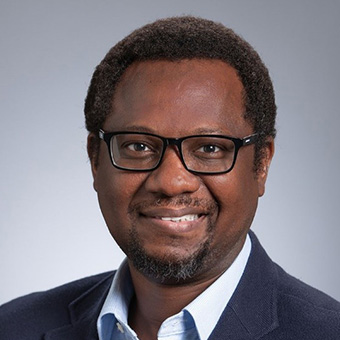
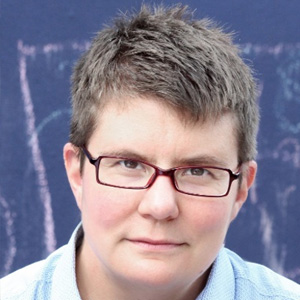
Prof KL Dunkle is a social epidemiologist, public health researcher, and global leader in gender-based violence prevention and response. With three decades of experience leading and supporting GBV research across sub-Saharan Africa and globally, they have co-authored over 100 peer-reviewed articles, technical reports and training curricula. KL is deeply committed to improving health outcomes for vulnerable and marginalized populations, with a dedicated focus on LGBTQIA+ communities and people with disabilities. KL is an independent consult offering technical expertise across the global health sector, Adjunct Associate Professor at Emory University, Honorary Research Associate at the University of Pretoria, and former Chief Specialist Scientist at the South African Medical Research Council. They provide strategic leadership, training, and capacity development across the global health sector.
Professor Mark Stevenson is an epidemiologist and Professor of Urban Transport and Public Health at the University of Melbourne, where he directs the Transport, Health and Urban Systems Research Lab. He is internationally recognised for his research at the intersection of transport systems, urban design, and population health, with a focus on injury prevention, road safety, and the health impacts of transport and urban policy. He has led major national and international research programmes and worked extensively with governments and global partners to translate evidence into transport safety policy and practice. His work also addresses active mobility, sustainable transport, and the broader health implications of urban systems. Professor Stevenson has held senior academic roles across leading institutions and is widely published, with over 300 peer-reviewed outputs. His research continues to inform global policy and practice on transport safety, urban planning, and public health.

CONTACTS
GENERAL QUERIES
Tel: +27 87 821 1109 / 012 110 4080
info@worldsafety.co.za